
Resources
Guides

What Is A Malicious Payload?
A malicious payload is the component of a cyber attack which causes harm.
Read guideWhat is the Internet of Things (IoT)?
The Internet of Things (IOT) is the collection of internet-connected gadgets such as cameras, refrigerators, and smart speakers.
Read guideWhat is the history of AI?
Today's most advanced AI models are built on discoveries that came decades before. The history of AI stretches back to before the construction of the first digital computer.
Read guideWhat is PII (personally identifiable information)?
Personally identifiable information (PII) is any data that could identify a specific person, such as a name, government-issued ID number, date of birth, occupation, or address.
Read guideWhat are the Fair Information Practices? | FIPPs
The Fair Information Practice Principles, or FIPPs, are a set of principles for data privacy that many organizations follow today.
Read guideWhat are DMARC, DKIM, and SPF?
SPF, DKIM, and DMARC help authenticate email senders by verifying that the emails came from the domain that they claim to be from. These three authentication methods are important for preventing spam, phishing attacks, and other email security risks.
Read guide
What Is a Cryptographic Key? | Keys and SSL Encryption
Cryptographic keys make encryption and decryption possible. In SSL encryption, there are two keys, a public key and a private key. Read more about keys here.
Read guideWhat is a low and slow attack? Low and slow DDoS attack definition
A low and slow attack is a DDoS attack that aims to stop a web service using extremely slow HTTP or TCP traffic. Learn how to mitigate low and slow attacks.
Read guideHow to transfer a domain name
To transfer a domain name, double-check contact information, contact both the old and new registrars, ask for an authorization code, and remove any domain locks.
Read guideWhat's an Application Layer DDoS Attack
Application layer attacks or layer 7(L7) DDoS attacks refer to a type of malicious behavior designed to target the “top” layer in the OSI model where common Internet requests such as HTTP GET and HTTP POST occur.
Read guide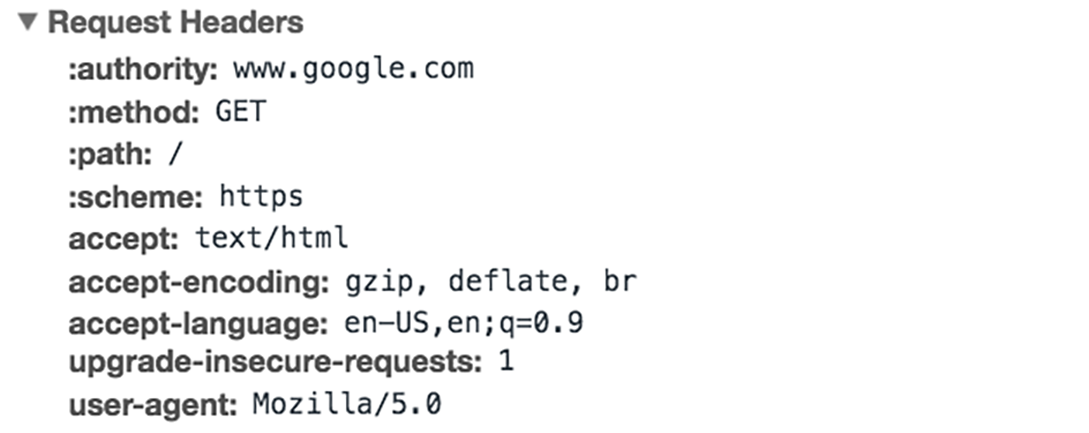
What is HTTP?
Hypertext Transfer Protocol (HTTP) is the foundation of the World Wide Web, and is used to load web pages using hypertext links. Learn more about HTTP.
Read guideHow to prevent ransomware attacks
Backing up data, regularly updating software, and using a Zero Trust security approach are all ways to prevent ransomware infections from taking down a network.
Read guideHow does website speed boost SEO? | Learning Center
Search engines like Google factor page speed into rankings. Faster sites rank higher and provide better user experiences.
Read guide