What is a top-level domain (TLD)?
Top-level domains come at the end of domain names. They are important for classifying domain names and essential for DNS lookups.
Read guideResources
Top-level domains come at the end of domain names. They are important for classifying domain names and essential for DNS lookups.
Read guideBusiness email compromise (BEC) is an email-based social engineering attack that aims to defraud its victims. BEC attack campaigns often bypass traditional email filters.
Read guideCoffee shop networking is a flexible approach to enterprise networking and security that enables secure connections from anywhere, even coffee shops.
Read guideRisk-based authentication helps prevent fraud, insider threats, and other attacks by comparing the actions of users to a baseline of normal activity.
Read guideBot traffic is non-human traffic to a website. Abusive bot traffic can impact performance and hurt business objectives. Learn how to stop abusive bots.
Read guide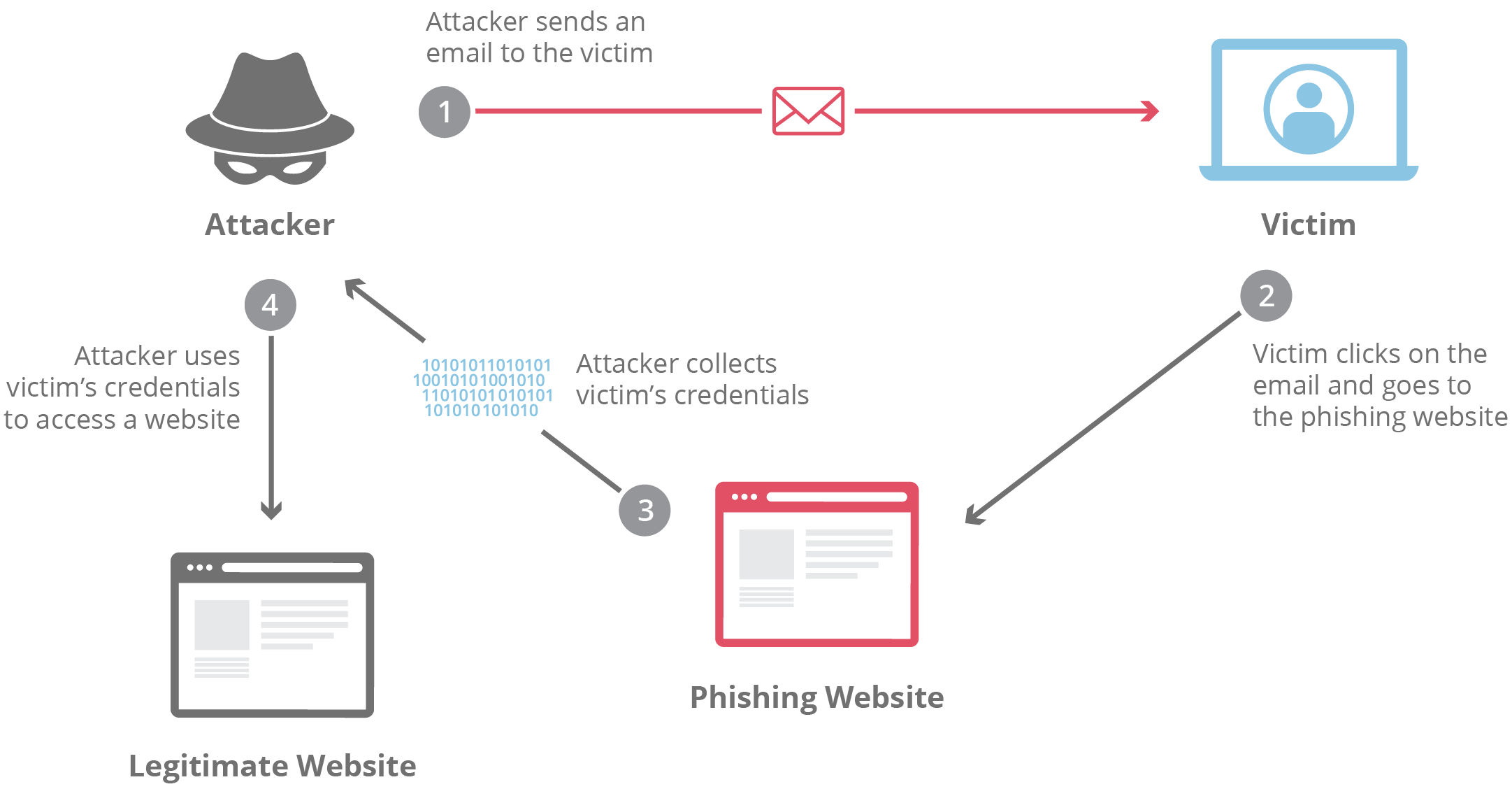
Edge computing brings computation closer to the network edge, optimizing IoT devices and web applications. Learn how edge devices can cut costs and reduce latency.
Read guide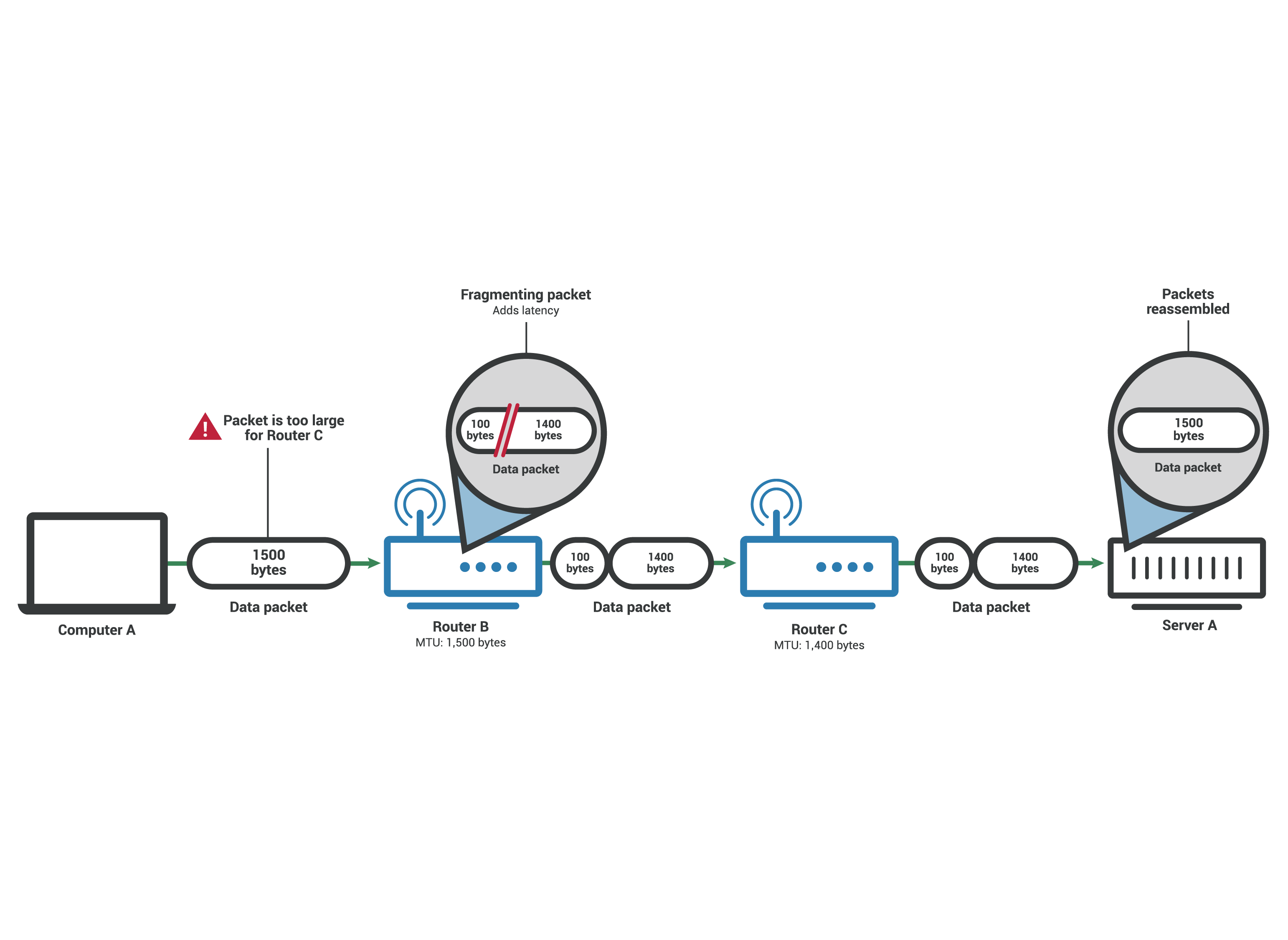
Maximum transmission unit, or MTU, limits data packet size for any networked device. Learn about IP fragmentation and how MTU network settings affect packets.
Read guide
Low-rank adaptation (LoRA) is a way to adapt a large machine learning model for specific uses without retraining the entire model.
Read guideRemote access security enables users and devices to securely access internal resources from beyond the enterprise network.
Read guide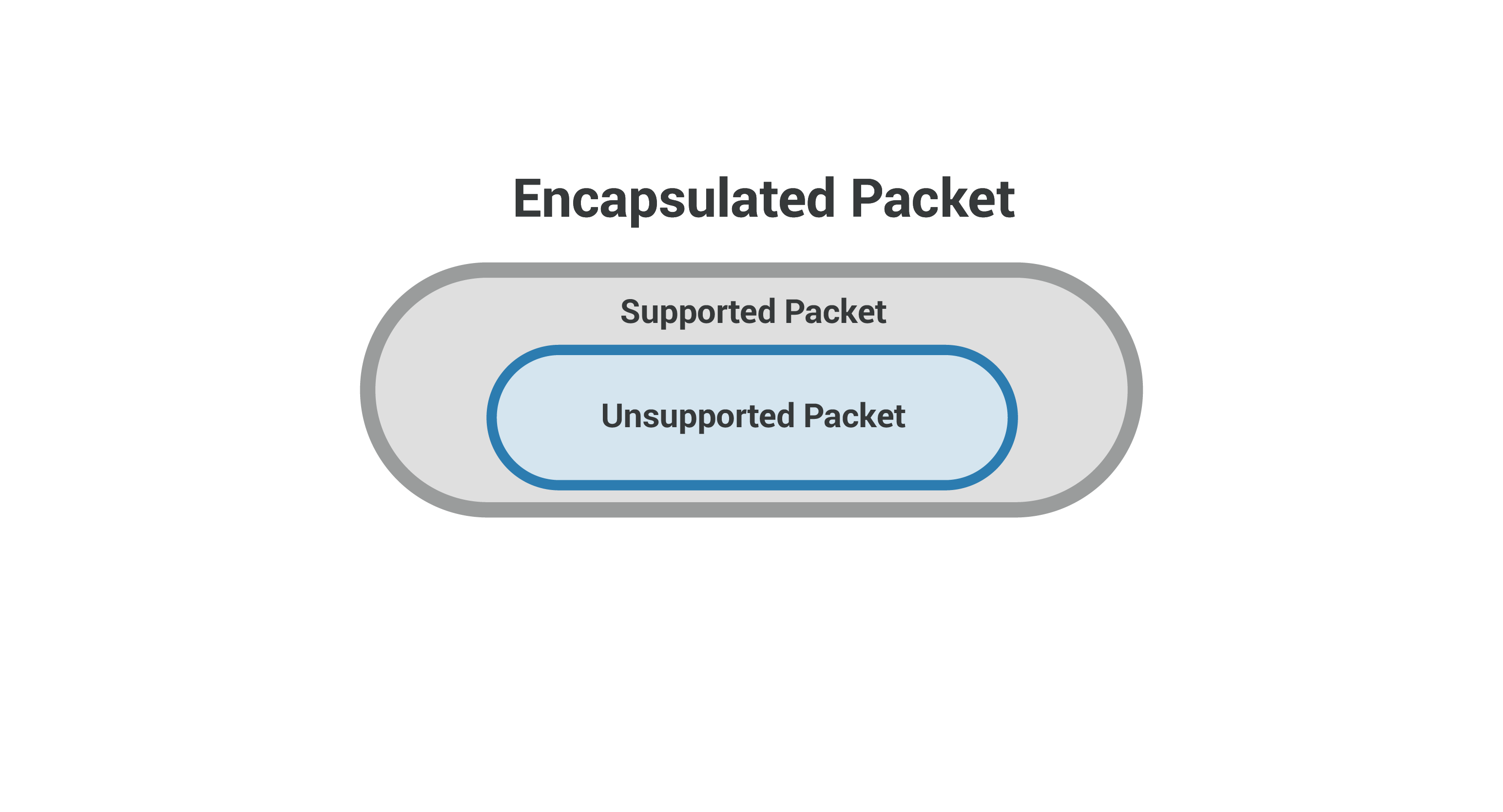
Generic Routing Encapsulation, or GRE, is a protocol for encapsulating data packets in order to set up a direct network connection. Learn how GRE tunnels work.
Read guideCloud-native security is natively integrated with the cloud, taking into account the ephemeral and configurable nature of cloud services.
Read guideWhaling, or whale phishing, refers to phishing attacks directed specifically at high-profile targets. Whaling attacks involve a large amount of personalization.
Read guide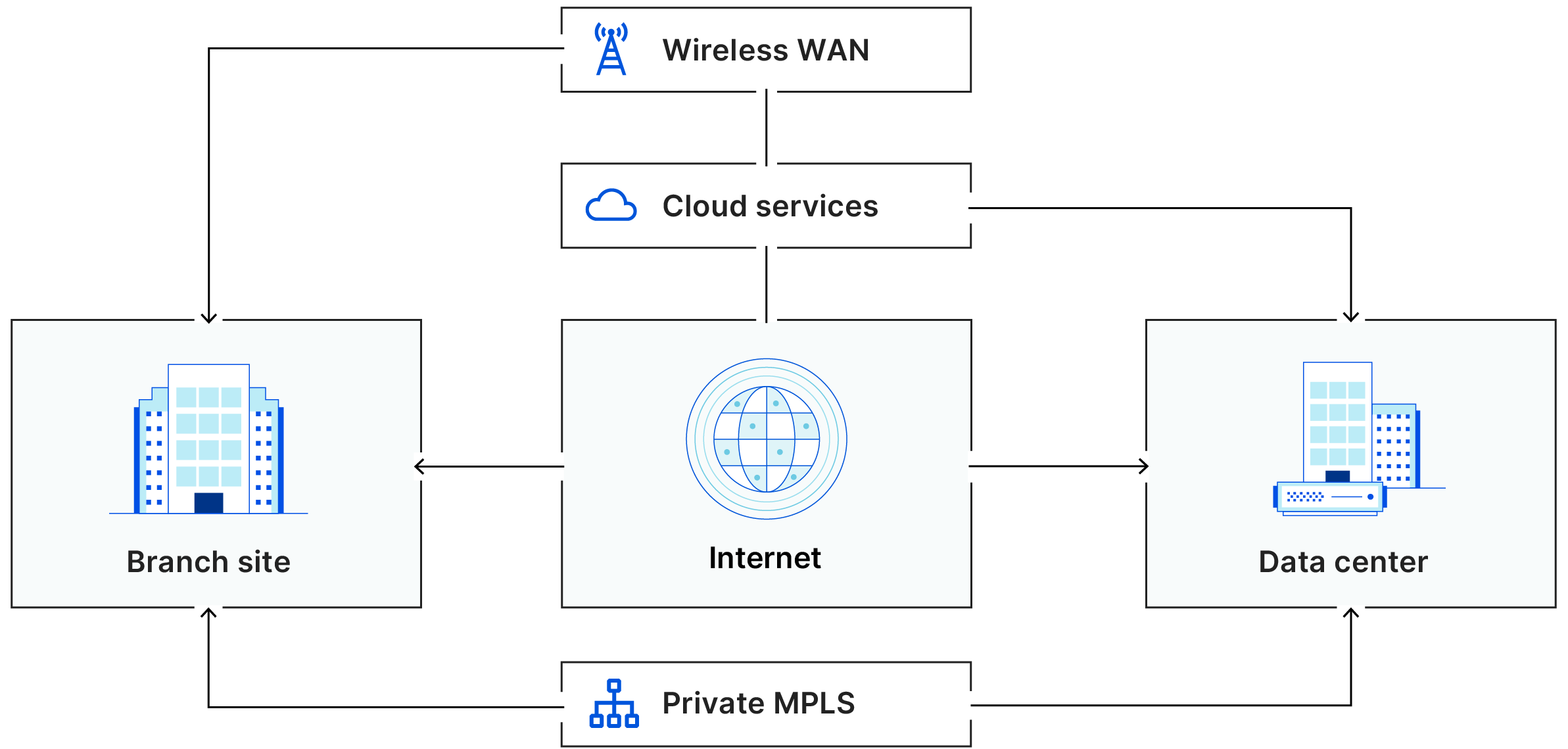
A software-defined wide area network (SD-WAN) connects local area networks (LANs) across large distances using controlling software that works with a variety of networking hardware.
Read guide
Identity and access management, IAM or IdAM for short, is a way to tell who a user is and what they are allowed to do. Read more about access management here.
Read guide