What is SSO? | How single sign-on works
Single sign-on, or SSO, enables a user to sign in once to access all their apps and services. Learn how SSO logins and SSO authentication tokens work.
Read guideResources
Single sign-on, or SSO, enables a user to sign in once to access all their apps and services. Learn how SSO logins and SSO authentication tokens work.
Read guideLearn why observability is key for managing system health and behavior, and discover ways to optimize observability outcomes.
Read guideAlthough port 465 is the recommended port for secure SMTP email transmission, some systems sometimes rely on ports 25, 587, or 2525.
Read guide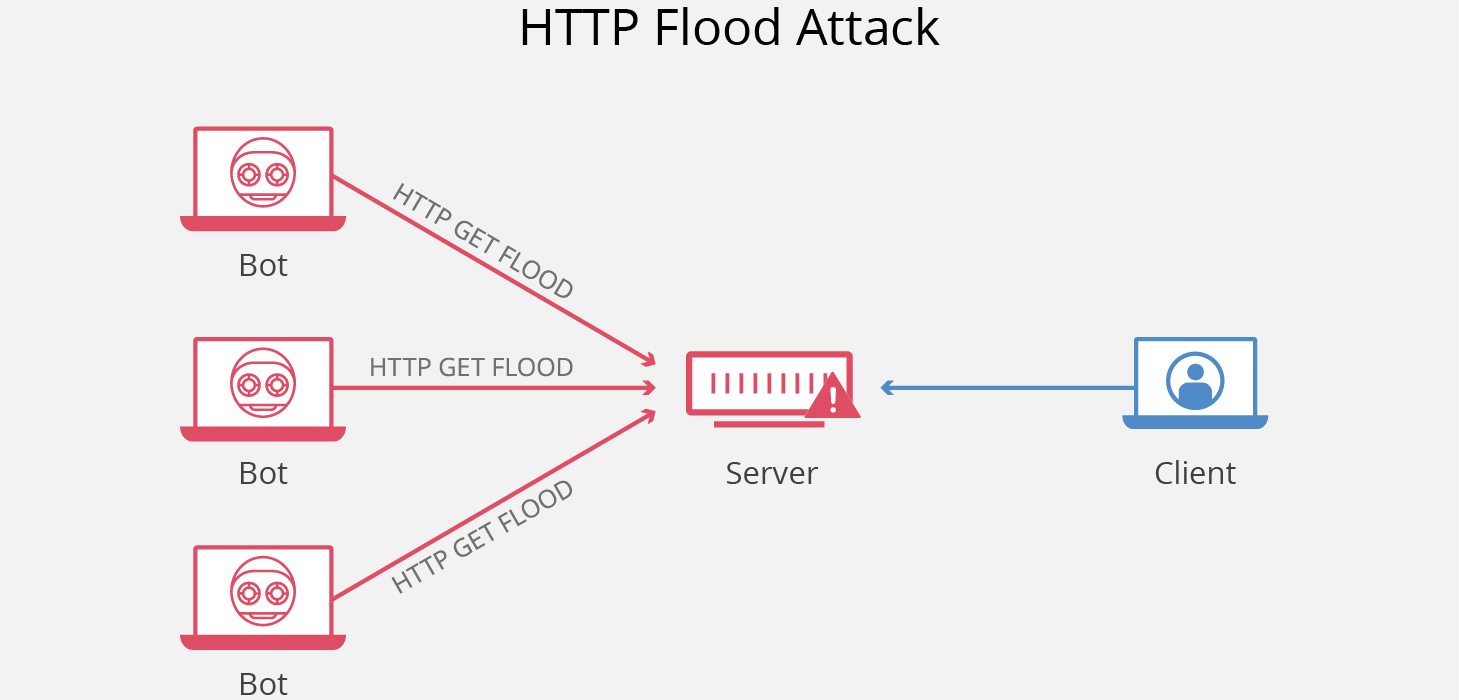
A HTTP flood attack is a type of volumetric distributed denial-of-service (DDoS) attack designed to overwhelm a targeted server with HTTP requests.
Read guideLearn how denial-of-service (DoS) and distributed denial-of-service (DDoS) attacks are performed with DoS attack tools, and the legal consequences for dosing.
Read guide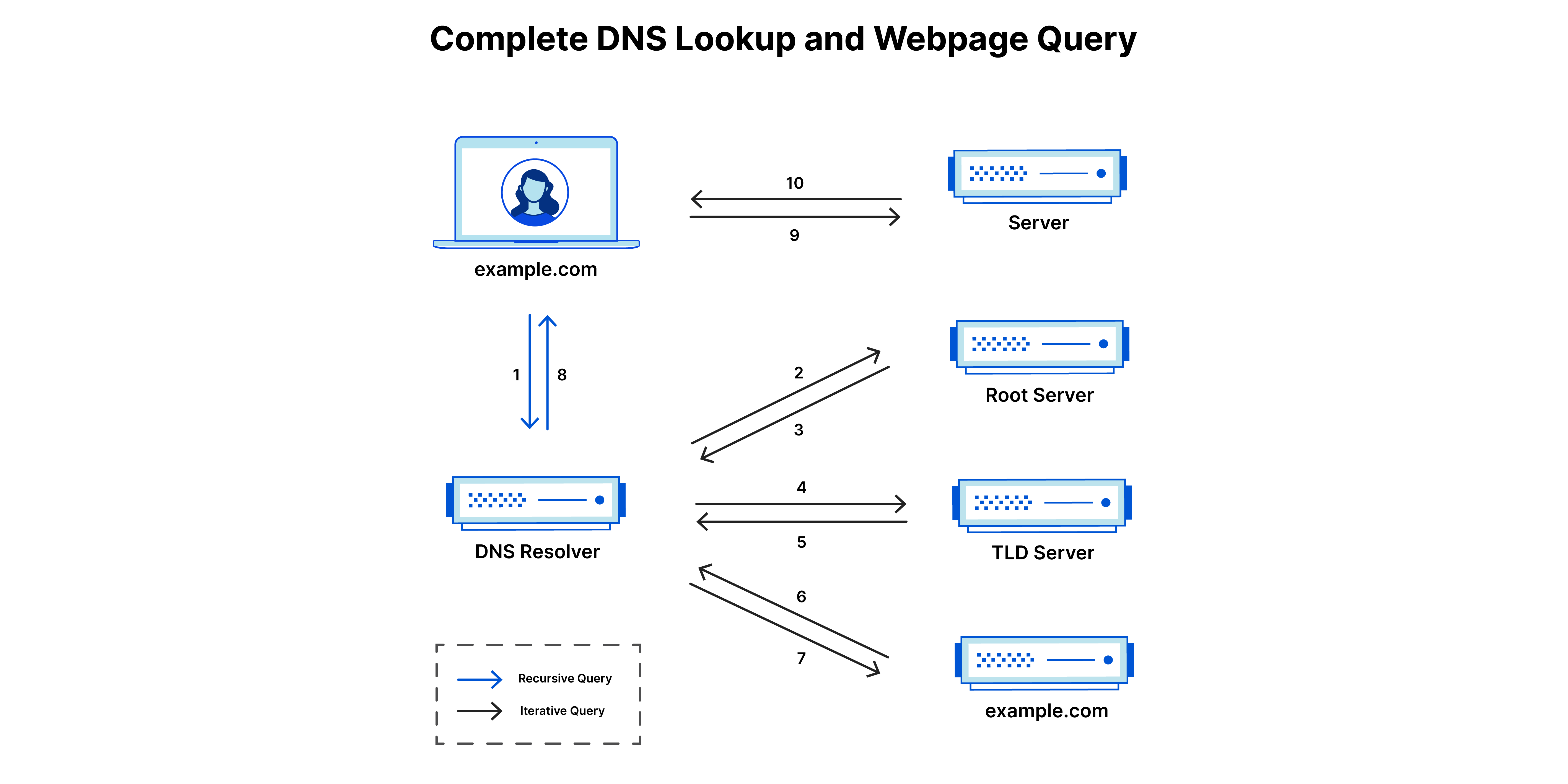
DNS servers translate domain names into IP addresses, making it possible for DNS clients to reach the origin server.
Read guide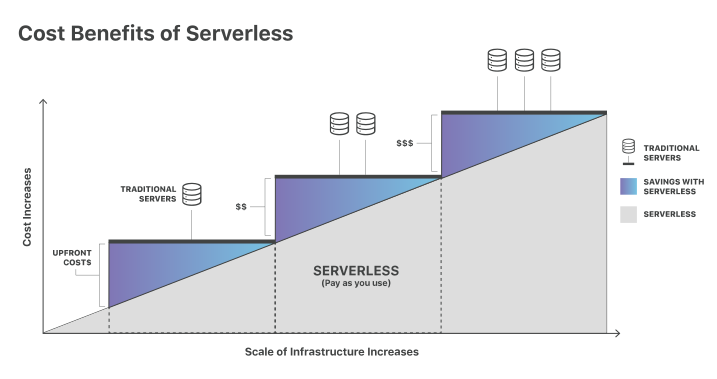
Serverless computing is a method of providing backend services on an as-used basis, eliminating the need to manage server infrastructure.
Read guide
Electronic mail, or ‘email,’ is a digital communication method that uses electronic devices to deliver messages.
Read guideAn API Gateway acts as a reverse proxy to accept all application programming interface (API) calls.
Read guide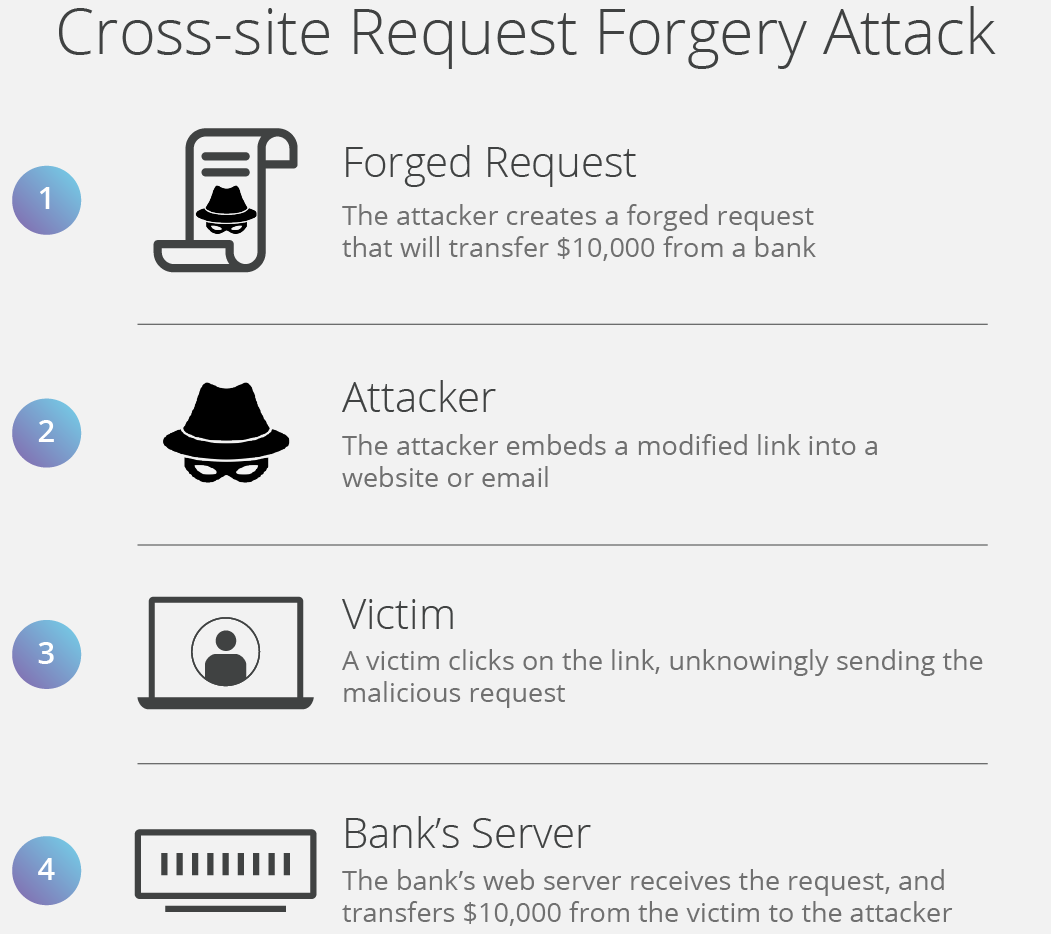
What is cross-site request forgery? How to stop cross-site request forgery attacks.
Read guide
Learn how Mirai malware turns IoT devices running on the ARC processor and the Linux OS, into botnets. Mirai is commonly used to launch DDoS attacks, and perform click fraud.
Read guideRyuk is a type of ransomware that typically targets very large organizations. The group that operates Ryuk demands expensive ransoms from its victims.
Read guide
Bot management identifies and controls bot traffic, allowing good bots while blocking malicious ones.
Read guideCascading style sheets (CSS) are essential for styling a website, but large CSS files can slow or block page rendering. CSS minification makes CSS files smaller.
Read guide