What is domain privacy?
Domain privacy, or WHOIS privacy, is a way to conceal domain registrant contact information from public view.
Read guideResources
Domain privacy, or WHOIS privacy, is a way to conceal domain registrant contact information from public view.
Read guideA domain name is an easy-to-remember address used to access websites. Domains can be registered with domain name registrars, who also let users renew domains.
Read guideMalware is malicious software used to disable or damage computers. Learn more about malware.
Read guideVideo encoding formats determine how video input is stored, transmitted, and viewed. Learn which video formats are compatible with common platforms and devices.
Read guideCreating these specific DNS records helps protect domains that do not send emails from being used in domain spoofing attacks.
Read guideWhen a malicious party gains control of or access to a legitimate user's account, this is called an account takeover attack.
Read guideEnd-to-end encryption prevents messaging services from spying on private correspondence between users.
Read guide
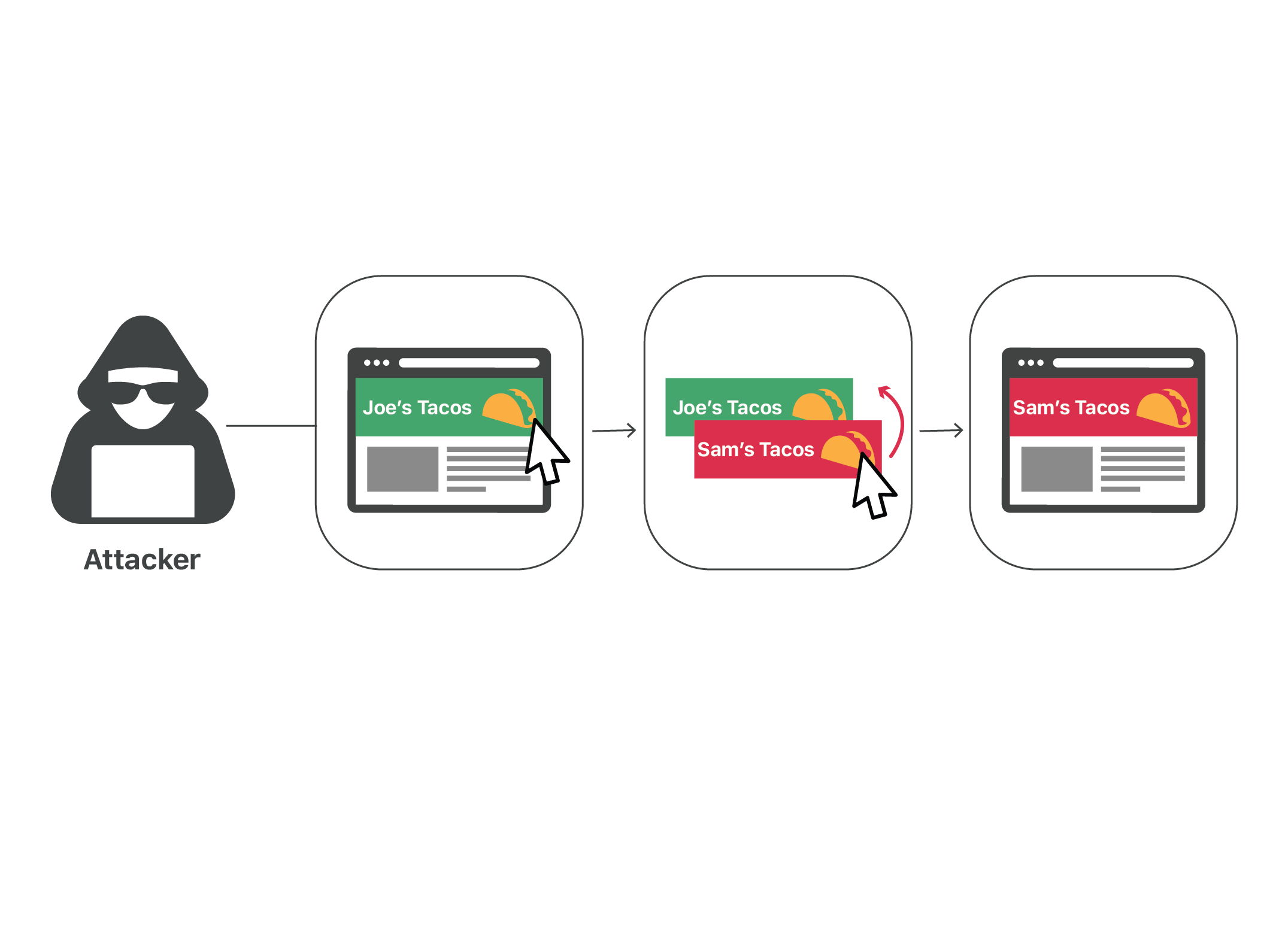
Online advertising fraud is a major issue for digital ad networks. When click bots are used, ad fraud is a type of click fraud. Learn how ad fraud works.
Read guideData compliance is the collection of efforts that allow a business to follow data privacy regulations.
Read guide
Learn about the challenges of multicloud management, what a multicloud strategy looks like, and how businesses can better secure their multicloud deployments.
Read guideWhat is a bot, really? Learn about the basic components that an Internet bot is made of, and see an example of how a chatbot works.
Read guide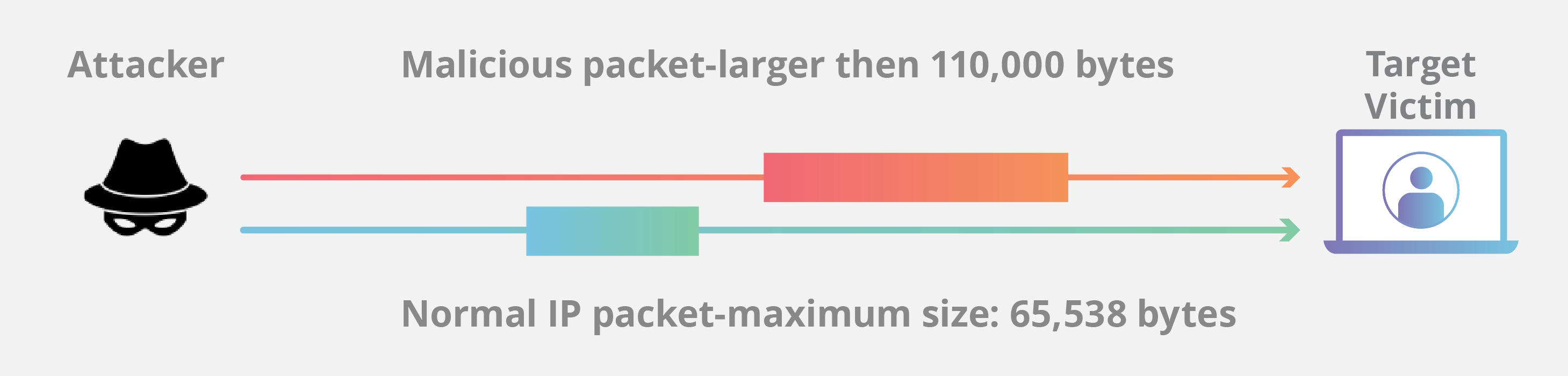
PoD is a denial-of-service (DoS) attack, in which the attacker aims to disrupt a targeted machine by sending a packet larger than the maximum allowable size, causing the target machine to freeze or crash.
Read guideData sovereignty is the idea that data is subject to the laws and regulations of the country or region where such data originates.
Read guide