What is email fraud?
Email fraud is a type of scam that uses email to trick victims into revealing personal information or transferring funds to fraudulent accounts.
Read guideResources
Email fraud is a type of scam that uses email to trick victims into revealing personal information or transferring funds to fraudulent accounts.
Read guide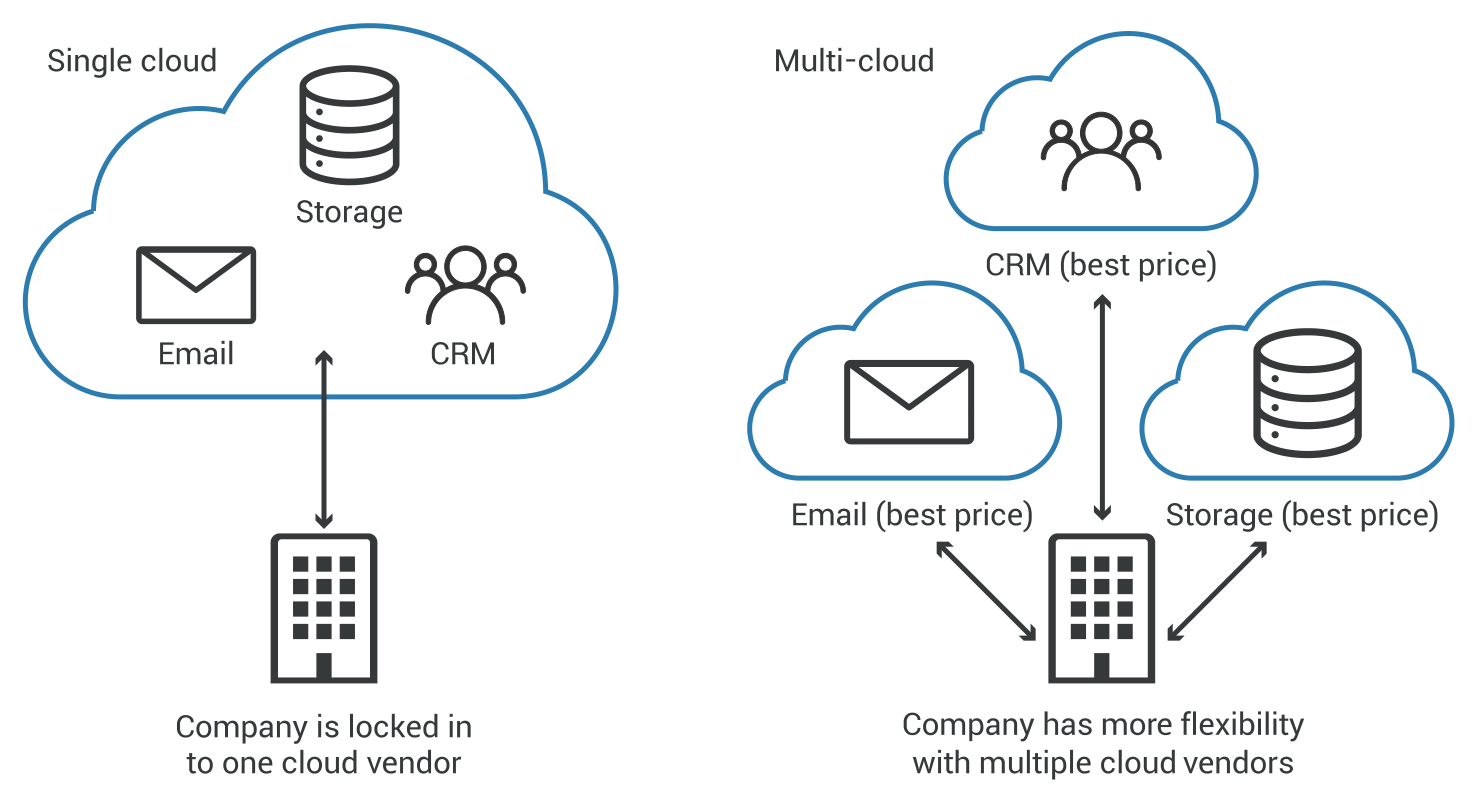
Vendor lock-in is when someone is essentially forced to continue using a product or service regardless of quality, because switching away from that product or service is not practical.
Read guide
A video content delivery network (CDN) helps deliver streaming video quickly and efficiently to viewers around the world.
Read guide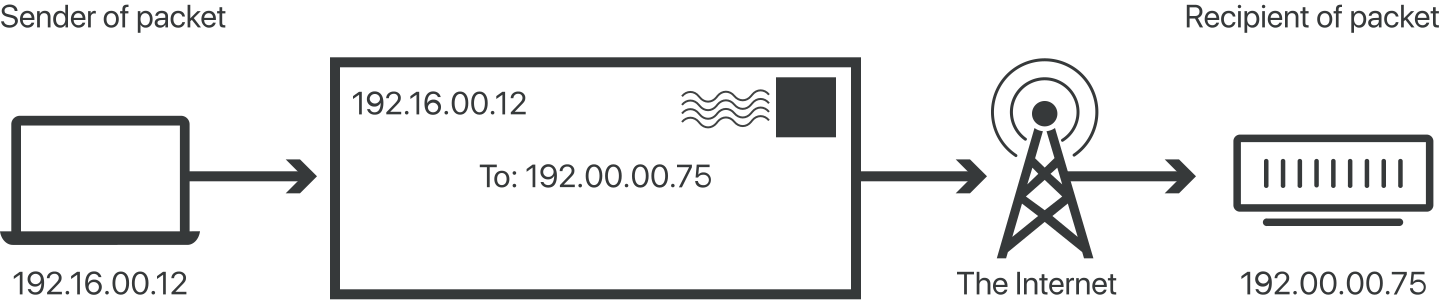
The Internet Protocol (IP) is a set of standards for addressing and routing data on the Internet. Learn more about IP addresses, TCP/IP, and UDP/IP.
Read guideIndicators of compromise (IoC) are evidence left behind by an attacker or malicious software that can be used to identify a security incident.
Read guideA premium domain is any domain name that costs significantly more than a domain name typically might cost. High demand is a major driver of cost for domain names.
Read guide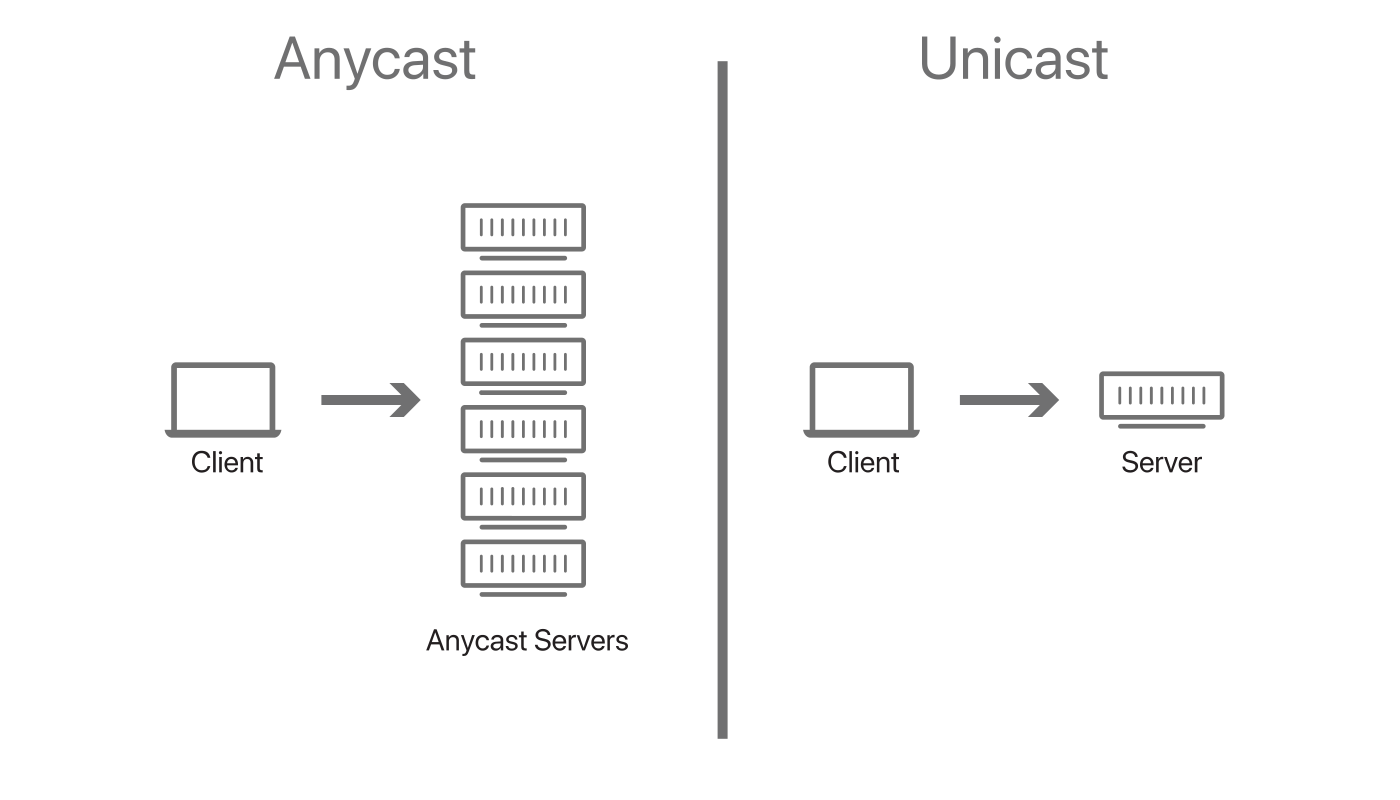
Learn about how anycast works, how anycast DNS makes DNS resolving faster and more reliable, and how anycast helps prevent DNS flood DDoS attacks.
Read guideDNSSEC is a complicated topic, and making things even more confusing is the availability of several standard security algorithms for signing DNS records, defined by IANA. Algorithm 13 is a variant of the Elliptic Curve Digital Signing Algorithm (ECDSA). While currently used by less than 0.01% of domains, we’d like to argue that ECDSA helped us eliminate the final two barriers for widespread DNSSEC adoption: zone enumeration and DDoS amplification.
Read guidePen testing involves ethical hackers scaling planned attacks against a company's security infrastructure to hunt down security vulnerabilities that need to be patched up.
Read guideSometimes a website or application does not work properly because of DNS issues, including improperly configured DNS records, latency, or malicious attacks.
Read guideThe Low Orbit Ion Cannon is a user-friendly tool to launch DoS and DDoS attacks which overload a server with malicious traffic. Learn more about the LOIC.
Read guide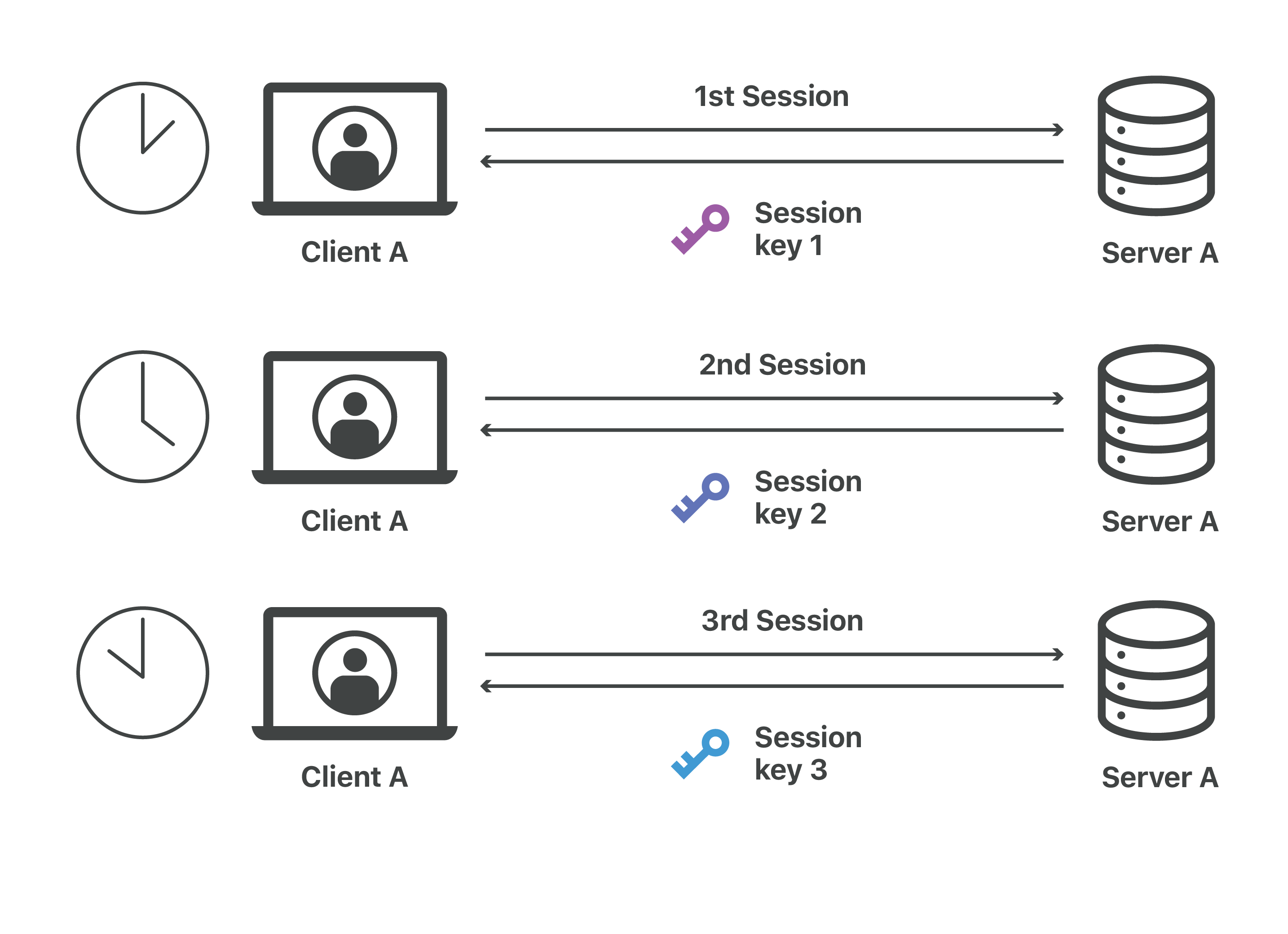
An SSL session key is used for symmetric encryption in the TLS protocol. Learn how a TLS handshake enables clients and servers to create session keys.
Read guide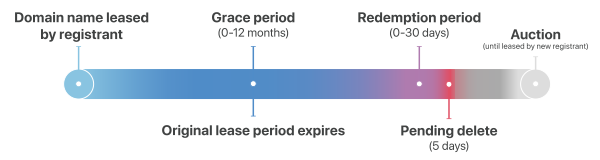
If registrants do not renew their domains, the domains expire. Learn about what happens to expired domains and when it becomes possible to buy expired domains.
Read guideSecure remote access is crucial for remote workforces. Learn how remote desktop software works, and the pros and cons of the Remote Desktop Protocol (RDP).
Read guide