
Resources
Guides
How Does Public Key Encryption Work? | Public Key Cryptography and SSL
Public key encryption, also known as public key cryptography, uses two cryptographic keys: a public key and a private key. It makes TLS/SSL possible.
Read guideWhat Is a Distributed Denial-of-Service (DDoS) Attack?
A distributed denial-of-service (DDoS) attack is a malicious attempt to disrupt normal traffic to a web property. Learn about DDoS attacks and DDoS protection.
Read guide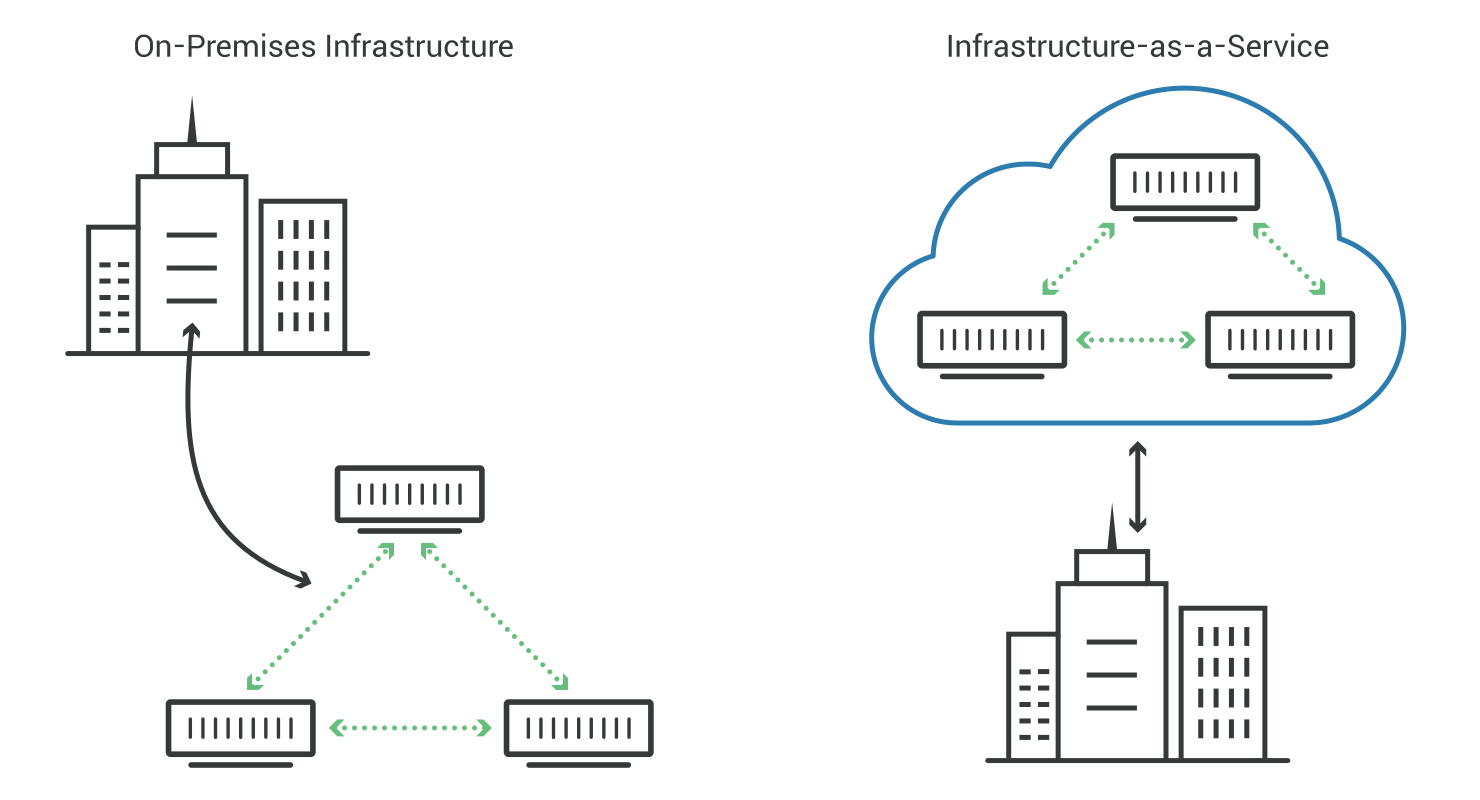
What Is IaaS (Infrastructure-as-a-Service)?
Infrastructure-as-a-Service, or IaaS, is when a cloud computing vendor manages infrastructure on behalf of their customers. Compare IaaS vs. PaaS vs. SaaS.
Read guideWhat is IPsec? | How IPsec VPNs work
IPsec is a protocol suite for encrypting network communications. Learn how IPsec VPNs work, what port IPsec uses, how IPsec tunnels work, and more.
Read guideWhat is the OWASP API Security Top 10?
The Open Web Application Security Project (OWASP) puts together a list of the biggest security risks for application programming interfaces (APIs).
Read guideWhat is a DNS MX record?
A DNS MX record directs email to a mail server. Learn more about mail exchange (MX) records and how they are used in the email sending process.
Read guideHow does DNSSEC work?
The domain name system (DNS) is the phone book of the Internet: it tells computers where to send and retrieve information. Unfortunately, it also accepts any address given to it, no questions asked.
Read guideWhat is tunneling? | Tunneling in networking
Network tunnels are a way to send packets to another network, often across a network that does not support them. Learn about VPN tunnels and split tunneling.
Read guideWhat are cookies? | Learning Center
HTTP cookies are small pieces of data stored on a user's device by web browsers to remember stateful information and track browsing activity.
Read guideWhat are data egress fees?
Most cloud providers charge egress fees — also known as bandwidth or data transfer fees — for taking data out of their system.
Read guideCDN benefits: Why use a CDN?
A content delivery network (CDN) can offer a number of benefits, including better performance, reliability, and security for web properties.
Read guideWhat is a DNS CNAME record?
A DNS CNAME record provides an alias for another domain. Learn how canonical name records work, and learn which DNS records cannot point to CNAME records.
Read guideWhat is a DNS DMARC record?
DMARC is an important part of email security. DMARC policies are stored within DNS TXT records.
Read guide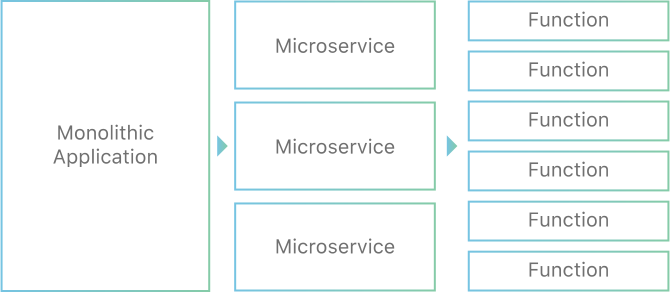
What Is Function as a Service (FaaS)?
FaaS is a serverless backend service allowing developers to write modular pieces of code on the fly that can be executed in response to certain events.
Read guide