What is peering?
Peering is a cost-efficient way for two large networks to connect and exchange traffic. Peering can shorten network paths and reduce latency.
Read guideResources
Peering is a cost-efficient way for two large networks to connect and exchange traffic. Peering can shorten network paths and reduce latency.
Read guide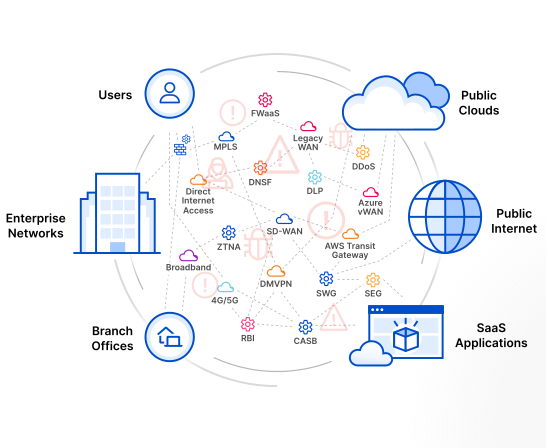
A connectivity cloud is a unified cloud platform that delivers secure, fast, any-to-any connectivity between networks (enterprise and Internet), on-premises environments/data centers, clouds, applications, and users.
Read guideQuantum computing uses quantum mechanics to perform some calculations much faster than traditional computers.
Read guideKeeping a website from ever going down requires a multi-faceted strategy and some effort, but it’s worth mitigating the risks of conversion loss and SEO penalties associated with downtime.
Read guideVirtual machines (VMs) are software-based computers that run inside of other computers. Learn how VMs and cloud VMs can be used to improve performance and reduce costs.
Read guide
Content scraping is the automated process of extracting content from websites, often without permission.
Read guide
Strengthen your organization’s security posture against both isolated Microsoft vulnerabilities and more systemic weaknesses
Read guideAttack surface reduction, real-time threat detection, and always-on DDoS mitigation can help prevent attacks before they reach targeted infrastructure and systems.
Read guide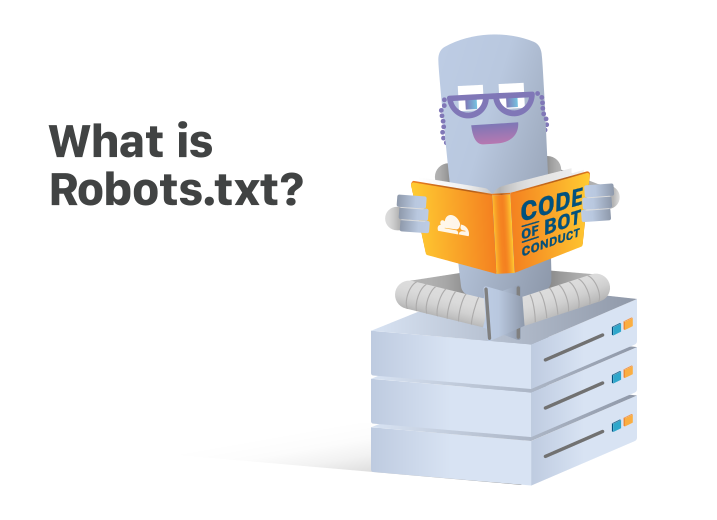
A robots.txt file contains instructions for bots on which pages they can and cannot access. See a robots.txt example and learn how robots.txt files work.
Read guide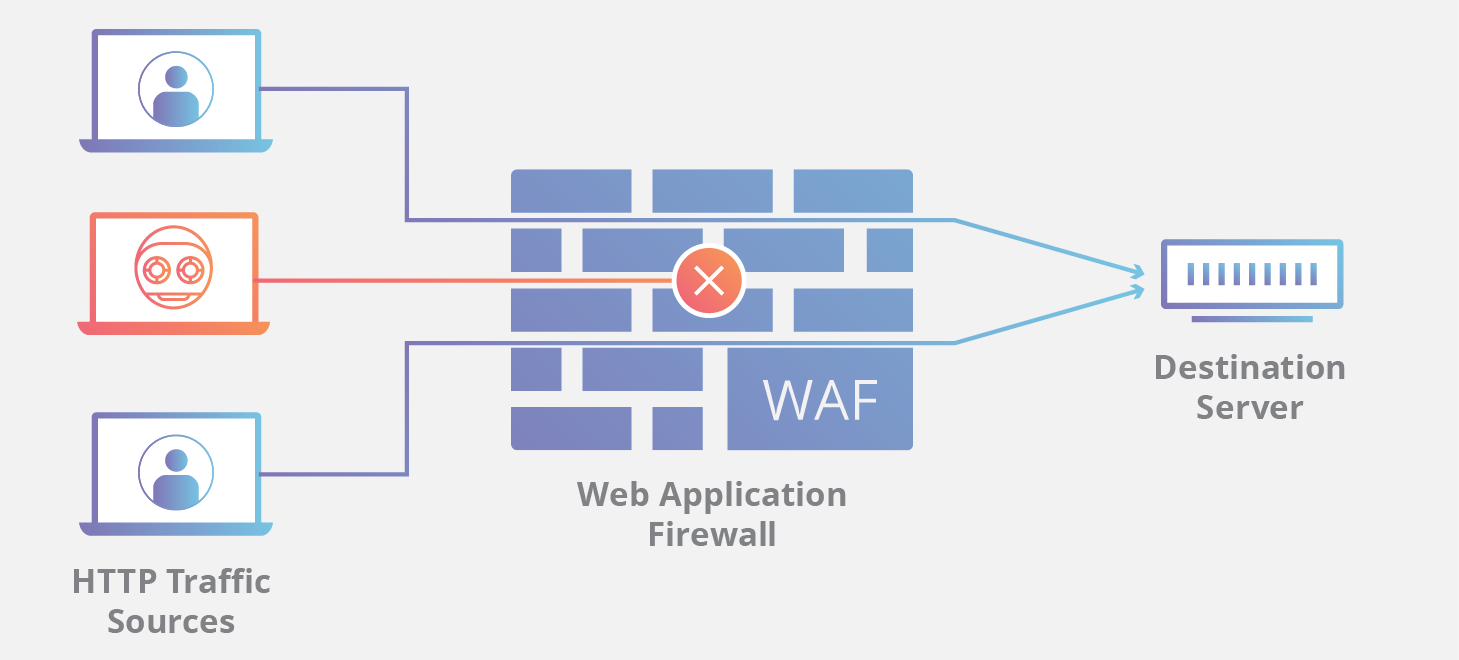
A Web Application Firewall protects web applications by monitoring and filtering traffic. Learn more about WAFs.
Read guideAI security includes all of the resources used to safeguard the development of AI applications, govern the employee use of AI, and protect AI-powered applications and models.
Read guideQUIC is a fast and secure transport protocol. Learn how cyber criminals can use the QUIC protocol in DDoS attacks, and compare QUIC floods with UDP floods.
Read guide
DNS cache poisoning, also known as DNS spoofing, is the act of placing false information in a DNS resolver cache. Learn how DNS poisoning affects users.
Read guideA mail server sends and receives email messages using outgoing and incoming email protocols.
Read guide
What is encryption? Learn about how data encryption works, why it's important, the different types of encryption, and how encryption is used in HTTPS.
Read guide