
Resources
Guides
DNS AAAA record
The DNS AAAA record matches a domain name with an IPv6 address — similar to A records, which do the same for IPv4 addresses.
Read guideWhat is the right to be forgotten?
The right to be forgotten is a legal right defined by the GDPR that allows persons in the EU to request that their personal data be deleted.
Read guideWhat is the castle-and-moat network security model?
'Castle-and-moat' refers to a network security model in which everyone inside the network is trusted by default.
Read guide
What Is Click Fraud? | How Click Bots Work
Click bots are often responsible for click fraud, which is when fake clicks impact an ad or webpage. Explore how these bots work and why they're so common.
Read guideWhat is personal information? | Personal data
Personal information is any information that can identify a person, from someone's name and address to their device identifier and account number.
Read guideWhat is data at rest?
Data at rest is the state of data when it is stored, rather than moving from one place to another (in transit) or loaded into memory for use by a software program (in use).
Read guideWhat is a cloud workload protection platform (CWPP)?
A cloud workload protection platform (CWPP) mitigates threats in cloud and on-premise workloads.
Read guideHow to rehost applications
To rehost an application, migrate it between environments — typically from on-premises to cloud, or in some cases, back to on-premises for specialized workloads — without altering its core architecture or code.
Read guideWhat is HTTP/3?
HTTP/3 is the next major revision of the hypertext transfer protocol (HTTP). It will improve speed, security, and reliability.
Read guide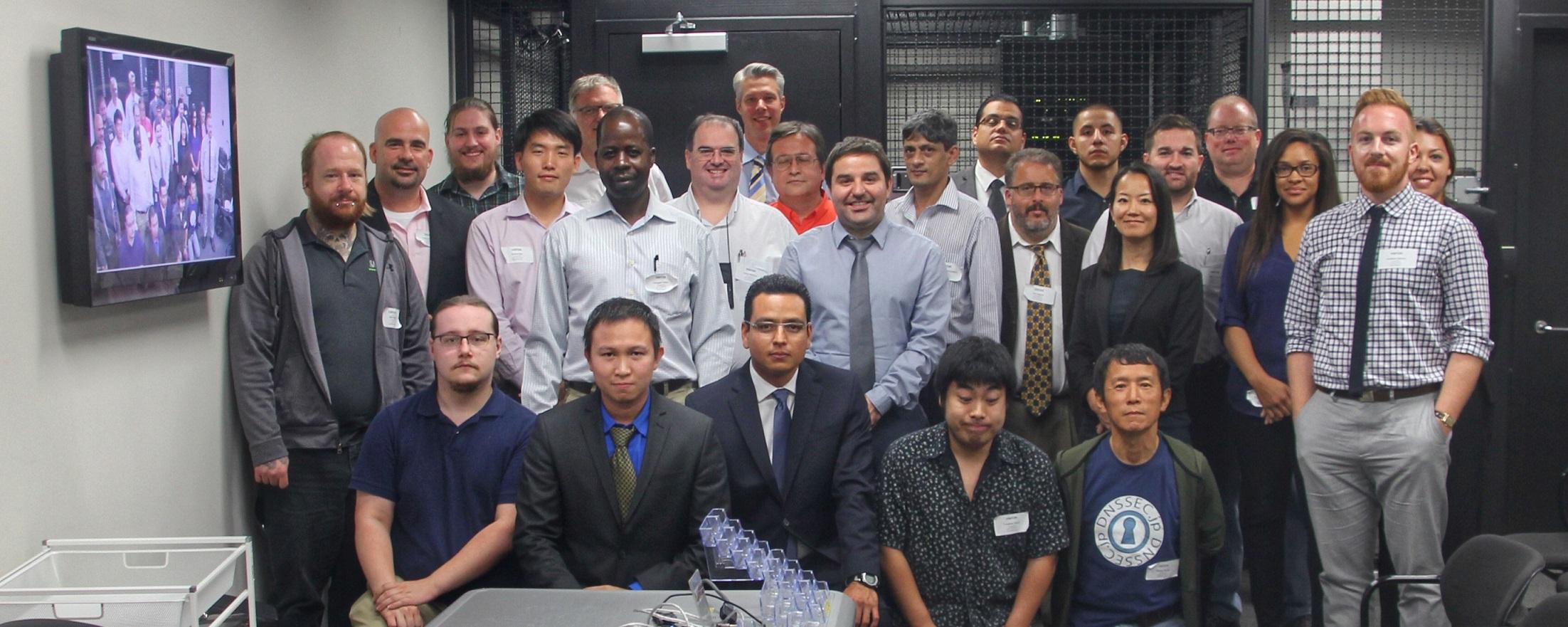
How DNSSEC Works
The DNSSEC Root Signing Ceremony
The root DNS zone contains information about how to query the top-level domain (TLD) name servers (.com, .edu, .org, etc). It enables Internet users to access domain names in all TLDs, even brand new ones like .software and .bank, making it an integral part of the global Internet.
Read guide
What Is Digital Transformation?
Digital transformation means using digital technology to either alter or create new business models. Learn about digital transformation and cloud computing.
Read guide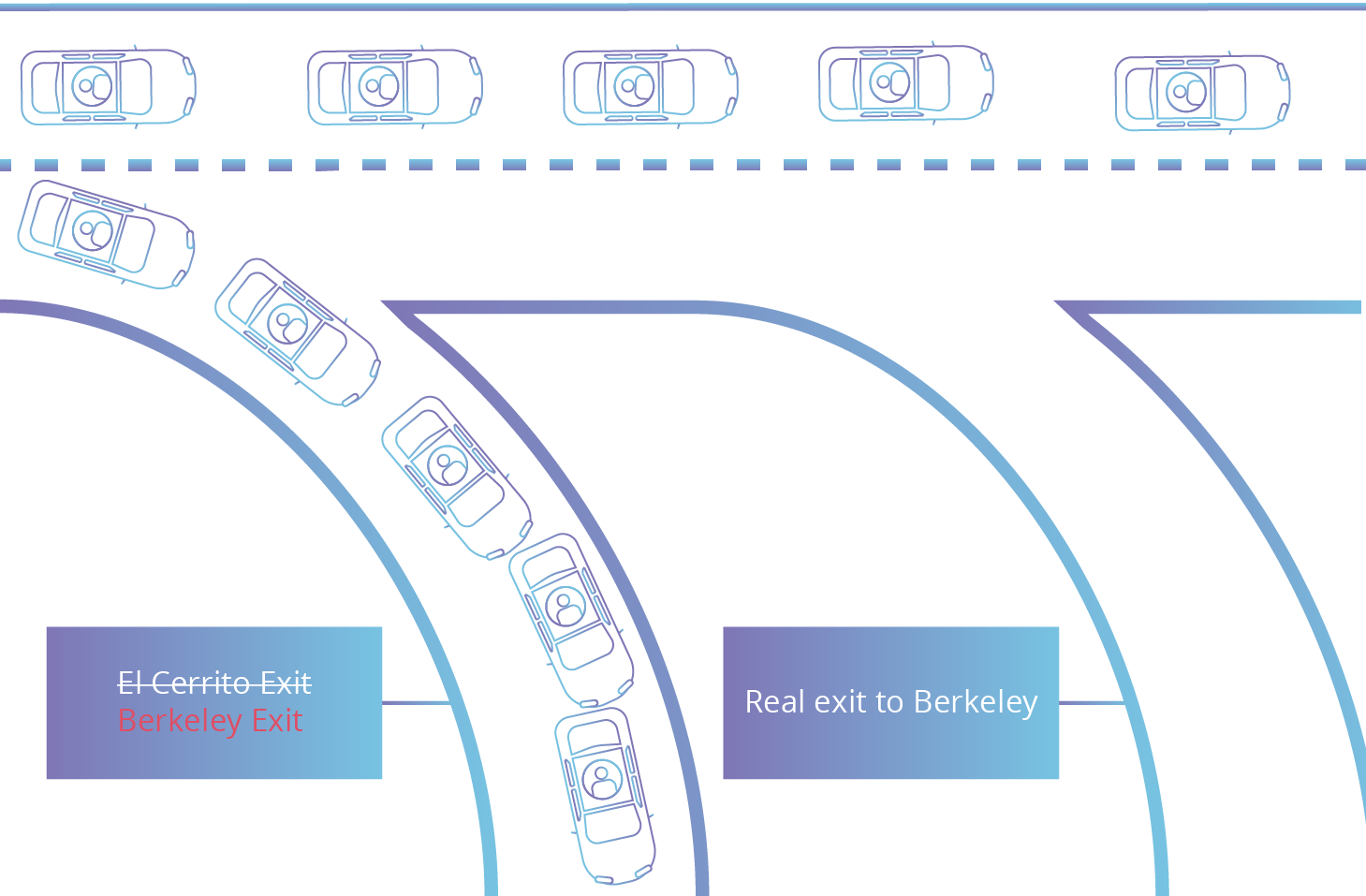
What Is BGP Hijacking?
BGP hijacking is a malicious rerouting of internet traffic that exploits the trusting nature of BGP, the routing protocol of the Internet.
Read guideWhat is adaptive bitrate streaming?
Adaptive bitrate streaming adjusts video quality based on network conditions to improve video streaming over HTTP networks. This process makes playback as smooth as possible for viewers regardless of their device, location, or Internet speed.
Read guideWhat Is SNI? How TLS Server Name Indication Works
SNI, or Server Name Indication, is an extension for the TLS protocol to indicate a hostname in the TLS handshake. Learn more about the TLS SNI extension.
Read guide